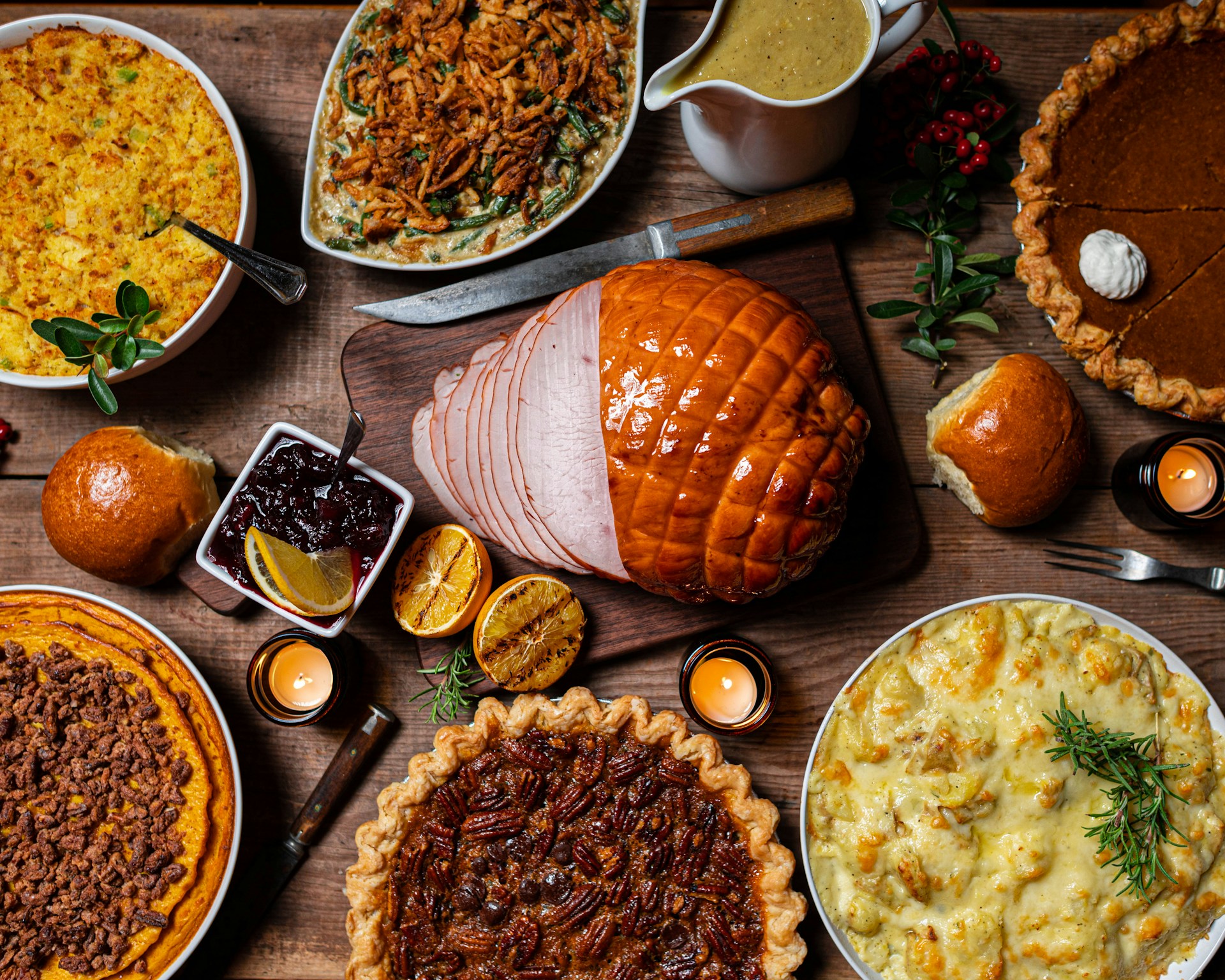
Thanksgiving in Fairview is a time to gather with loved ones, reflect on what we’re grateful for, and, of course, enjoy a delicious feast. While modern life often pulls us in a million directions, the spirit of Thanksgiving harks back to simpler times. Historically, the holiday was a celebration of harvest and survival, much like the Pilgrims who relied heavily on the bounty provided by their immediate surroundings. Their ability to gather and preserve food from their local environment was essential for making it through the winter. Embracing this tradition by choosing local ingredients for our own Thanksgiving tables connects us to these roots and celebrates the hard work of those who nourish our communities.
The Pilgrims didn’t have the luxury of grocery stores stocked with items from across the globe; their sustenance came directly from the land they cultivated and the game they hunted. This fundamental reliance on local resources is the true heart of the Thanksgiving tradition. It was a celebration of a successful harvest, a testament to their resilience and hard work in a new land. By choosing to eat local for our Thanksgiving meal today, we are not just picking up ingredients; we are participating in a time-honored practice that honors the connection between land, farmer, and table, mirroring the gratitude and resourcefulness of those early settlers.
The delicious flavors of Thanksgiving are often tied to ingredients that require significant time and care to reach their peak. Think about hearty winter squash, like those perfect for pies, which need many months from planting to ripen and develop their natural sweetness. Root vegetables such as parsnips and rutabagas, also staples of fall feasts, require diligent tending throughout the spring and summer before they are ready to be harvested in the cooler months. Even the star of the Thanksgiving table, the turkey, is a result of a year-long commitment by farmers, from raising the breeding stock to caring for the poults.
These quintessential Thanksgiving ingredients are a testament to patience and the natural cycle of growth. Brussels sprouts, often overlooked, transform into “little cabbage candies” as the temperatures drop, their starches converting to sugars. Leeks, foundational to many comforting winter dishes, demand at least six months to mature into their full, flavorful potential. The effort and dedication local farmers put into growing these foods directly translate into the quality and taste on our plates, making the connection between the harvest and the celebratory meal even more profound.
In our fast-paced world, Thanksgiving offers a much-needed pause to appreciate the food we eat. It’s a chance to step away from the everyday hustle and immerse ourselves in the process of preparing a meal, not just for sustenance, but for enjoyment and connection. The ritual of setting a beautiful table, the aromas filling the kitchen, and the shared experience of dining together are all part of this special occasion. Local ingredients, with their freshness and unique flavors, elevate this experience, making the meal a more mindful and satisfying celebration.
Slowing down to savor a meal is a luxury many of us don’t often afford ourselves. With the constant availability of convenient food options, the daily family dinner can feel like a distant memory for some. Thanksgiving, however, provides a built-in reason to dedicate time and attention to our food. Using ingredients sourced from our local community enhances this appreciation. Knowing the story behind your food, from the farm it came from to the hands that harvested it, adds a layer of depth and gratitude that makes the act of eating a more meaningful and enjoyable experience.
As the leaves change and the weather cools, many local farmers begin to wind down their growing season. While some innovative farmers offer winter harvests or stored goods, the abundance of summer is typically past. This makes Thanksgiving a crucial time to support these hardworking individuals before they take a well-deserved break. Farming is an incredibly demanding profession, requiring constant vigilance and physical labor from early spring through late fall. By choosing local for your Thanksgiving meal, you’re not only getting delicious, fresh ingredients but also supporting the farmers who dedicate their lives to cultivating our food.
To make your Thanksgiving meal as local as possible, it’s essential to plan. By the time Thanksgiving week arrives, many seasonal farmers’ markets and farm stands will have closed for the year, and popular items like pasture-raised turkeys can be in high demand and short supply. Consider looking into special “Thanksgiving Shares” offered by local farms, which often include a selection of seasonal produce and traditional holiday ingredients. You can also stock up on non-perishable items now to store for the big day, ensuring you can incorporate as many local elements as possible.
When aiming for a local Thanksgiving, don’t let the pursuit of an “all-local” meal become a source of stress. The goal is to support your local farmers and enjoy the bounty they provide. If you can source most of your ingredients locally, that’s fantastic! But if a few pantry staples come from further afield, that’s perfectly fine too. The most important aspect is to embrace the spirit of community and gratitude. Even incorporating a few locally sourced items makes a significant difference and shows appreciation for our neighborhood farmers’ dedication.
Ultimately, the aim is to enjoy this precious time with family and friends, surrounded by delicious food that tells a story. Supporting local farmers for your Thanksgiving feast is a wonderful way to give back to the community that sustains us. It’s about appreciating the effort, the land, and the incredible flavors that our local farmers bring to our tables. So, this Thanksgiving, let’s celebrate the harvest and express our gratitude by choosing local and savoring the true taste of our community.